


Evolving Strategies in Early-Stage Glaucoma Management
Course is eligible for 2 AMA PRA Category 1 Credits™.
Log in to fulfill the requirements for free in our secure environment, the Learning Center.

Evolving Strategies in Early- Stage Glaucoma Management
A focus on the complementary roles of selective laser trabeculoplasty and sustained-release drug delivery.
INTRODUCTION
Glaucoma, a group of eye conditions that lead to deterioration of the peripheral visual field and irreversible central vision loss, is characterized by the progressive dysfunction, degeneration, and loss of both retinal ganglion cells and axons in the optic nerve.1,2 Although it is the leading cause of irreversible blindness, the only modifiable risk factor currently supported by clinical trials is IOP control.3 As a result, timely treatment to lower IOP is imperative to slow the rate of vision loss from glaucoma, with common methods including topical medication, sustained-release (SR) drug delivery, laser treatment, and surgical techniques ranging from minimally invasive options including minimally invasive glaucoma surgery (MIGS) and minimally invasive bleb surgery (MIBS) to more invasive options such as trabeculectomy and tube shunts.
As the landscape of glaucoma treatments evolves and minimally invasive options are integrated into clinical practice, early-stage disease management represents a pivotal therapeutic window through which timely intervention may prevent lifelong visual disability. In recent years, advancements in both procedural and pharmacologic modalities have transformed clinicians’ approach to managing this phase of the disease.
The following consensus statement reflects the perspectives of experienced glaucoma specialists and comprehensive ophthalmologists, drawing from current survey data and clinical practice patterns. Developed with clinician insights to address five prevailing practice gaps (see Practice Gaps in Early-Stage Glaucoma Management), the consensus statement outlines a harmonized view of how selective laser trabeculoplasty (SLT) and SR drug delivery systems may function as complementary tools in the early-stage glaucoma treatment algorithm.
Among the expert consensus group, 80% have been in clinical practice for 6 to 10 years and 20% for 21 to 30 years. All see more than 100 patients per month who they consider as having glaucoma, and 80% perform between 100 and 500 MIGS procedures annually. The remaining 20% perform up to 1,000 MIGS procedures annually.
| PRACTICE GAPS IN EARLY-STAGE GLAUCOMA MANAGEMENT |
|
References
- Goel M, Picciani RG, Lee RK, Bhattacharya SK. Aqueous humor dynamics: a review. Ophthalmol. 2010;4:52-59.
- Quigley HA. Glaucoma. Lancet. 2011;377:1367-1377.
- Xu Z, Hysi P, Khawaja AP. Genetic determinants of intraocular pressure. Annu Rev Vis Sci. 2021;15(7):727-746.
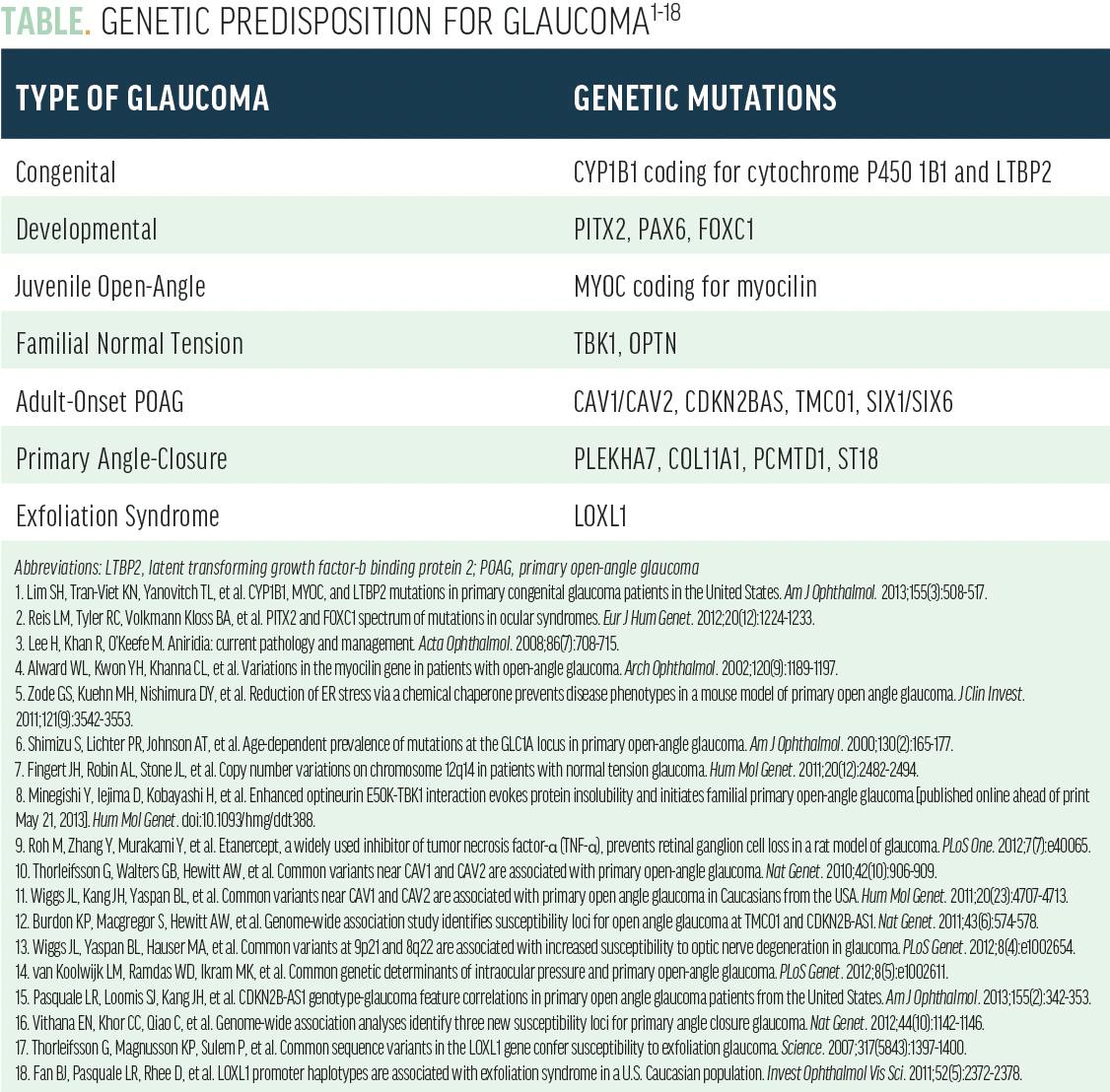
With the global population aging rapidly,4 ophthalmologists are increasingly challenged to screen, monitor, and treat a growing number of patients at risk for glaucoma. Although age and elevated IOP remain the strongest demographic risk factors for glaucoma onset and progression cited in the literature,5-9 half of the expert consensus group consider family history and genetic predisposition as the most significant risk factor for early-stage glaucoma (Figure 1). Various genes are responsible for both congenital and adult-onset glaucoma (Table).
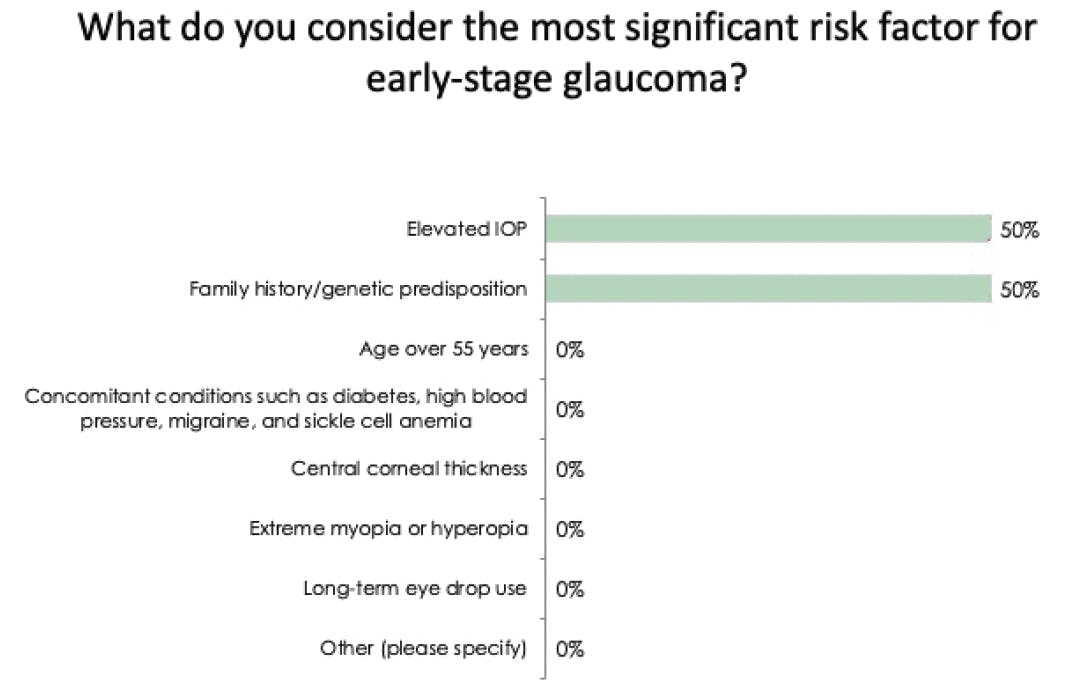
Figure 1. The Early-Stage Glaucoma Expert Consensus Group labeled elevated IOP and family history/genetic predisposition as the two most significant risk factors for early-stage glaucoma.
Most of the consensus group (83%) indicate that Black, Asian, and Hispanic populations are among the most underdiagnosed for early-stage glaucoma. “It’s not because we can’t detect disease in minority populations. It’s because of larger socioeconomic and health system factors such as lack of access to care and follow-up in patient populations at higher risk of disease and progressive vision loss,” Emily M. Schehlein, MD, said.
Inder Paul Singh, MD, concurs, adding that Black patients often present with pressures in the upper teens or low 20s mm Hg but may not return for follow-up care. “In my experience, when they finally come in for a follow-up, they present with a significant spike in their IOP or significant visual field loss and nerve damage.” He also acknowledges some patients with normal tension glaucoma are mis- or underdiagnosed because their IOP is not elevated or the cupping and visual field appear borderline and are labelled as suspects. “We then wait until there is obvious progression of the optic nerve head or visual field before we treat or are more aggressive,” he said.
Another group that may be overlooked is young patients with a family history of glaucoma, Manjool Shah, MD, shared. “Young patients are a cohort that don’t think about glaucoma. It wouldn’t make a ton of sense to screen this population at large, but certainly those who have a family history … should be getting screened,” he said, adding that oftentimes angle-closure glaucoma presents in younger patients.
Zarmeena Vendal, MD, echoed the sentiment. “The young population [without other medical issues] can really slip through the cracks. Especially if they have an active lifestyle, they are probably not thinking about the fact they could potentially have a chronic eye condition. Younger women in particular who may have a predisposition to normal tension glaucoma are often missed even with regular examinations because their IOPs are simply not flagged as problematic.”
Dr. Schehlein looks at age as a secondary risk factor along with the presence of comorbidities such as hypertension and hypotension, OCT findings, and central corneal thickness collectively to diagnose glaucoma. Lorraine Provencher, MD, and Swarup S. Swaminathan, MD, also feel central corneal thickness (CCT) is important, noting a thin CCT may lead to underestimation of IOP. Dr. Provencher said she does not like to interpret IOP without this measurement. “If a patient has a barely elevated IOP, a thick cornea, and the optic nerve looks fine, I may not get as worried. But if they have a slightly elevated IOP with a thin cornea or any other significant risk factor, I’ll do more of a work-up.”
Dr. Singh adds, for him, corneal hysteresis (CH) provides invaluable risk assessment information. CH measures the viscoelastic properties of the cornea using a pneumotometer technology rather than static measurement like pachymetery. In other words, CH provides an assessment of the shock-absorbing ability of the eye. Studies have found CH measurements are significantly associated with risk of glaucoma progression.10 Eyes with lower (<10.5) CH had faster rates of visual field loss than those with higher CH. The prospective longitudinal design of the study supported the role of CH as an important consideration when assessing the risk of progression in patients with glaucoma.
The remaining 17% of the consensus group indicate that individuals with significant lifestyle and environmental risk factors represent the most underdiagnosed population. Interestingly, 67% of the consensus group believe genetic predisposition is the primary driver of glaucoma onset whereas 33% believe environmental factors such as vascular dysregulation and lifestyle are equally important.
Dr. Swaminathan pointed to a patient with normal tension glaucoma who continued to progress with no real warning signs on OCT or visual field testing. “We talked more about her lifestyle and her favorite activities, and I ultimately discovered she loves practicing yoga, including positions in which her head remains below her heart for extended periods of time. That practice was likely spiking her IOP for several minutes each day, potentially contributing to her disease progression,” he said.
These data underscore the need for improved protocols for risk-based monitoring and detection, particularly for those with additional vulnerabilities that include genetic predisposition and lifestyle/environmental risk factors as well as younger patients with high myopia and individuals with normal-tension glaucoma. One-third of the consensus group estimates that between 51% to 75% of their patients are at-risk for developing early-stage glaucoma (Figure 2). Increased use of sensitive diagnostic tools such as OCT angiography, retinal nerve fiber layer (RNFL) analysis, and evolving AI-based glaucoma prediction modeling and AI-assisted imaging can aid in detecting glaucomatous damage before functional loss occurs (Figure 3). The integration of these tools into daily workflow remains aspirational, as many are not widely or commercially available.
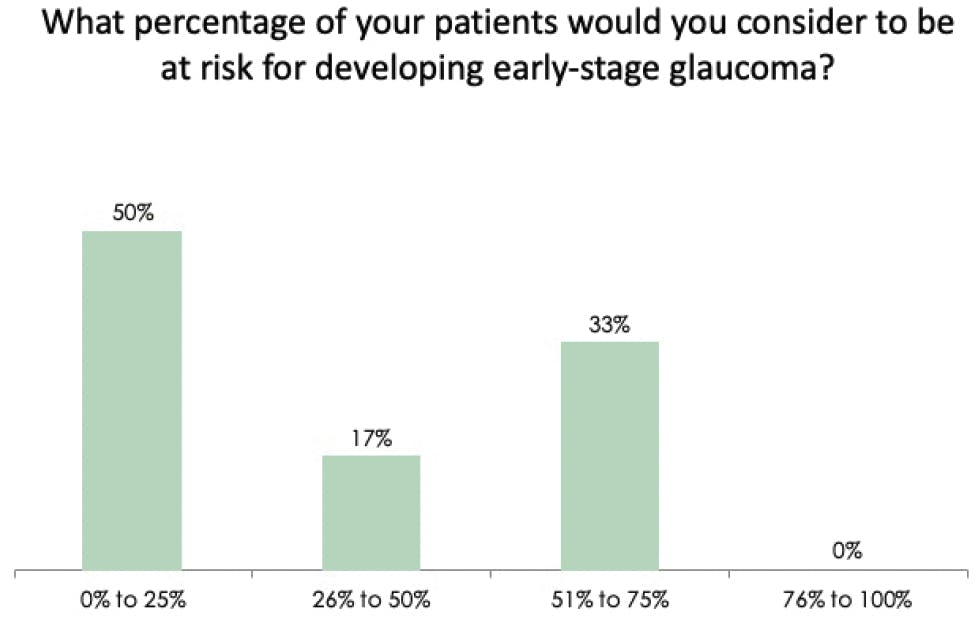
Figure 2. One-third of the Early-Stage Glaucoma Expert Consensus Group estimates that between 51% to 75% of their patients are at-risk for developing early-stage glaucoma.
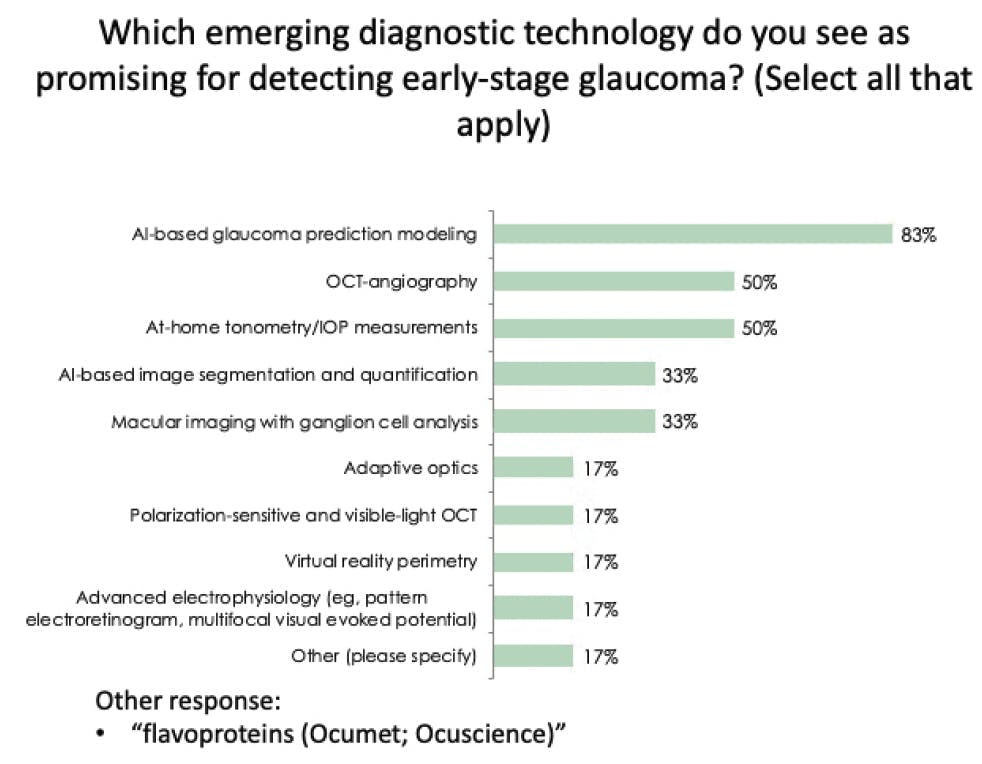
Figure 3. Among the most promising emerging diagnostic technologies are AI-based glaucoma prediction modeling (83%), OCT-angiography (50%), and at-home tonometry/IOP measurements (50%).
RETHINKING DIAGNOSTICS
Survey data confirm that OCT is currently the most essential diagnostic tool for detecting early glaucomatous damage, with 67% of the consensus group considering ganglion cell complex thickness and 33% considering RNFL thickness the most reliable parameter (Figure 4). Dr. Provencher mentioned the usefulness of comparing a patient’s peak RNFL thickness plot to the normal population to determine if the peak height is healthy, abnormal, or simply shifted due to anatomical variability. Dr. Swaminathan finds ganglion cell complex important to learn about early changes that may not manifest at the optic nerve head but cautions that a false positive is possible if it’s the only parameter considered.
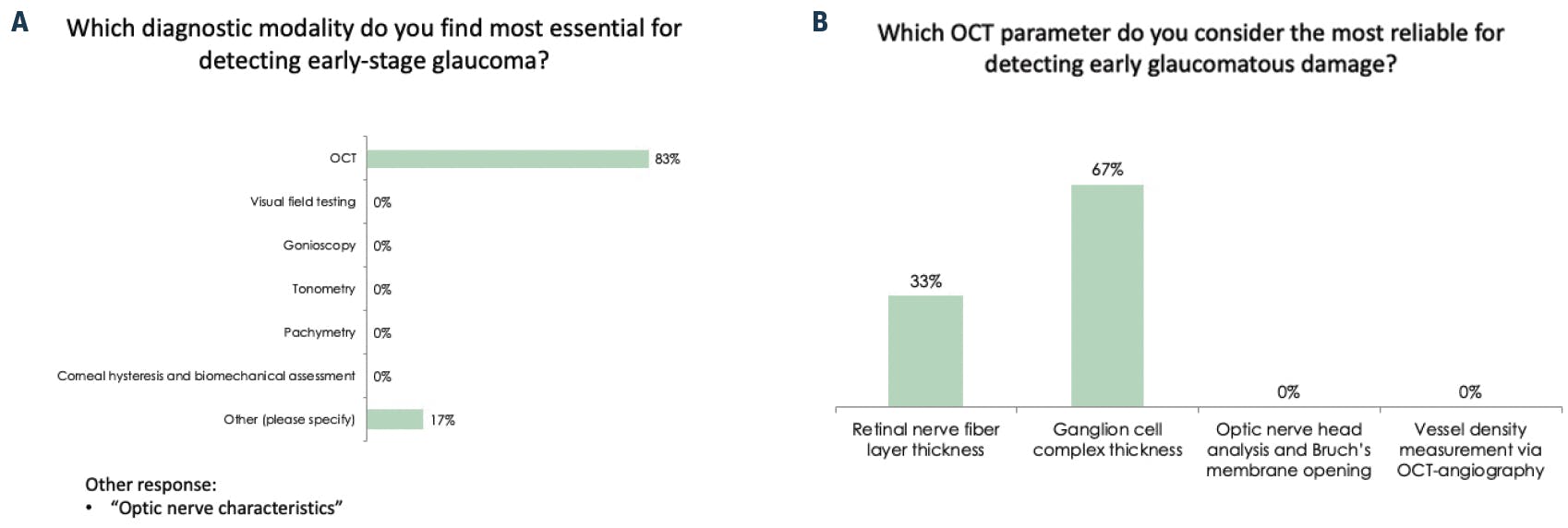
Figure 4. The most essential diagnostic modality used by the Early-Stage Glaucoma Expert Consensus Group to detect early-stage glaucoma is OCT (A), with ganglion cell complex thickness identified as the most reliable parameter (B) by 67% of respondents.
Many clinicians continue to depend only on preset OCT scans, which may lead to a missed retinal pathology or failure to capture subtle optic nerve changes. Several respondents emphasize the importance of mastering advanced OCT interpretation to optimize clinical evaluations, particularly in patients with borderline and asymmetric findings.
“Interpretation can be a challenge,” Dr. Provencher said. “I also think a huge challenge is we are often forced to make a decision with a single-point-in-time test. So much of glaucoma is dynamic, and we’re just getting a biopsy in this patient’s journey.”
Dr. Shah explained that reliance on a single metric is a recipe for missing an early-stage glaucoma diagnosis. “Glaucoma is not a uniform optic neuropathy,” he said. “Looking at the superior and inferior sections and the supertemporal and inferotemporal subsections can be particularly useful. Looking at the ganglion cell complex and the macular thickness is also really important because you can catch subtle wedge defects.”
“Since there is more consistency in macular anatomy between individuals (ie, myopic eyes and eyes with tilted discs) and there are reduced ganglion cells in the macular region, we can use the ganglion cell complex to help us detect glaucomatous nerve damage well before retinal nerve fiber layer analysis in eyes with high myopia or anomalous discs,” Dr. Singh added.
Additionally, functional testing such as visual field analysis is often introduced too late in the diagnostic journey. Most of the consensus group (83%) believe visual fields should be incorporated at every stage of glaucoma diagnosis regardless of structural findings. “We should be doing visual fields for every glaucoma suspect and early glaucoma case,” Dr. Schehlein said. “Every patient should have a visual field on diagnosis.”
However, Dr. Vendal notes that an eye can lose 20% of its optic nerve function and have a normal visual field. “Functional testing is important, but it should not be the modality we use to establish the diagnosis … or be the leading factor in our analysis,” she said. “If we all had our wish as interventional glaucoma specialists, we would be diagnosing and treating the disease before any visual field loss has occurred.”
Respondents noted that guidelines could do more to clarify the appropriate timing and integration of structure-function testing and how to tailor interpretation to different disease stages.
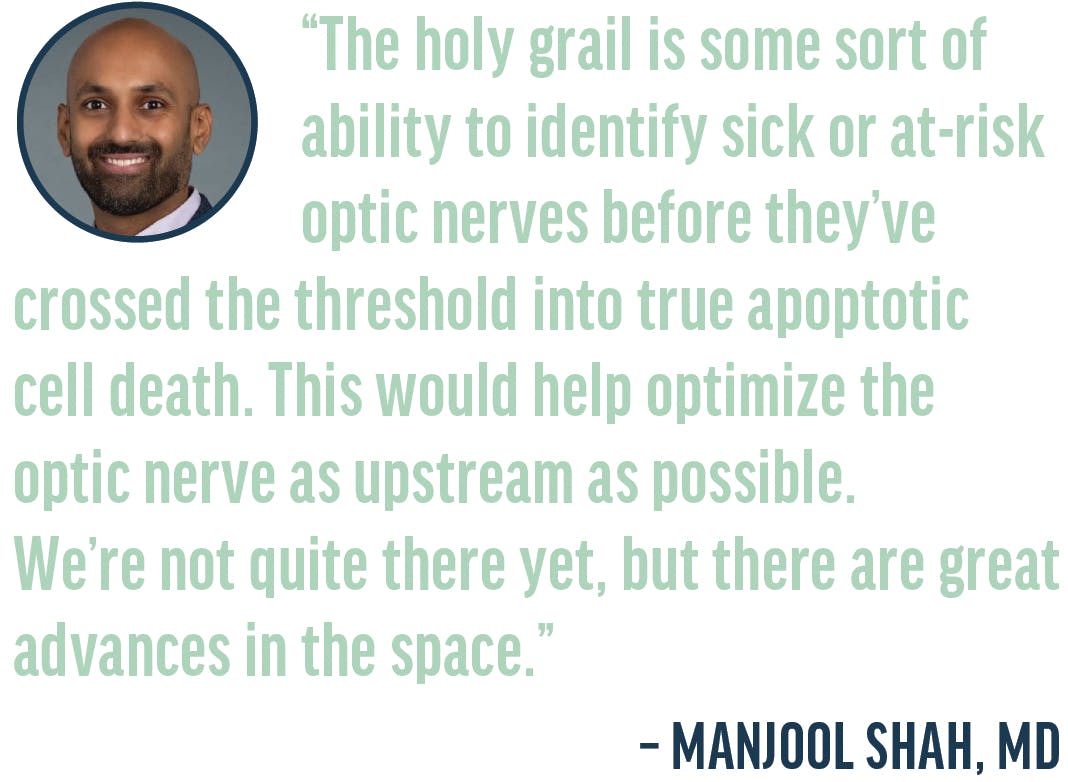
“Functional imaging is a way to identify individuals with sick or unhealthy optic nerves at a certain pressure,” Dr. Shah said. “It may even allow us to identify … at what pressure an optic nerve transitions from unhealthy to healthy and to identify patients who have disease before it’s something permanent. It may lead to individualizing care to a specific patient’s optic nerve.”
At-home tonometry may also be useful to help clinicians not only understand why a patient is developing glaucoma but also identify early disease, Dr. Swaminathan said. Dr. Vendal added that for patients who are committed to the process and consistently measure their IOP over time, it can be a valuable tool. “I can think of two patients immediately in the past year for whom we made a surgical decision based on the IOP values they measured at home.”
LIMITATIONS IN DIAGNOSIS
The two biggest limitations of current diagnostic tools for early-stage glaucoma detection among the consensus panel are subjective interpretation of imaging (67%) and lack of a definitive biomarker for early disease (33%), with other limitations including lack of precision in picking up subtle damage (17%) and over-reliance on structural changes without functional confirmation (17%).
Dr. Singh believes one of the most promising emerging diagnostic technologies is the use of a fundus camera with special filters that isolate flavoprotein fluorescence (FPF), an indicator of mitochondrial oxidative stress, to assess retinal metabolic function in glaucomatous eyes. A study showed FPF is significantly higher in glaucoma versus normal eyes, especially in early-stage glaucoma.11 FPF may also correlate with other glaucoma detection methods including visual field mean deviation, visual pattern deviation, and RNFL thickness.
In the next 5 years, 67% of the consensus group feel that AI-driven diagnostics will enhance detection and reduce missed early cases, but it will not replace clinician interpretation. Dr. Vendal hopes AI will help clinicians pick up at-risk patients and at-risk discs based on predictive modeling, be more objective in detecting subtle changes in optic nerve tissue, and improve risk factor assessment rather than relying on subjective clinical findings and functional testing.
“Being able to consolidate a large amount of data and look for trends that we sometimes can’t see is going to be helpful … to highlight areas that you should watch out for and may not pick up on your own,” Dr. Singh said.
THE ADHERENCE GAP: STILL A MAJOR CHALLENGE
Up to 60% of patients are nonadherent to topical prostaglandin analog therapy for reasons including side effects, difficulty of drop instillation and regimen complexity, forgetfulness, lack of motivation, and cost.12-14 According to the consensus group, the biggest barrier to adherence in early-stage glaucoma is likely a lack of perceived disease severity and the asymptomatic nature of the disease (67%) followed by side effects of treatment (33%). Studies have shown up to 50% of patients fail to receive the intended benefits from treatment,15 and up to 90% do not refill their prescriptions continuously.16
“The number one issue with early-stage glaucoma is the fact that glaucoma is a silent thief of sight. There are no symptoms … and this lack of insight into what is going on inside the eye makes it hard for patients to stay compliant,” Dr. Vendal said. “It is honestly the most difficult part of early-stage glaucoma that we have to deal with as clinicians.”
Despite growing awareness of poor medication adherence,15 many glaucoma specialists continue to prescribe topical glaucoma drops as their first-line approach in early-stage glaucoma.17 A real-world, retrospective, observational analysis performed on administrative health databases of about 2.7 million patients showed that 96.3% of patients received topical drops as their first-line therapy.18 There is, however, a growing trend toward considering SLT as a first-line treatment.19-22 Among the consensus group, 67% report initiating glaucoma therapy with SLT or direct SLT (DSLT). One exception may be for patients with normal tension glaucoma. According to Dr. Swaminathan, the decrease in IOP after the procedure tends to be less significant than what is experienced by patients with other forms of glaucoma. Dr. Singh feels SLT is still a valuable first-line option in these patients, especially in the context of fluctuating IOP. “SLT may have a role in normal tension glaucoma patients by decreasing the peaks and troughs of diurnal IOP,” he said. “First-line SLT makes sense since it works on the pathology of IOP rise.”
Others in the consensus group report the use of SR drug delivery (11%) and topical medication (11%) as a first-line treatment. One notes they start patients on topical medications only if patients decline SLT and SR drug delivery (Figure 5).
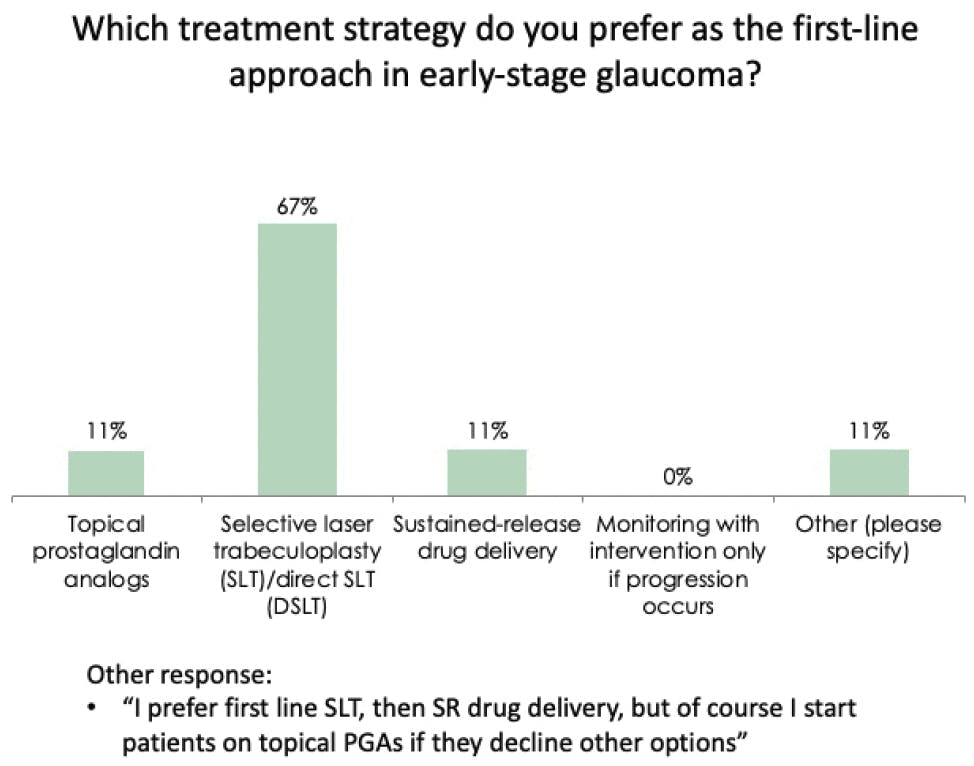
Figure 5. Selective laser trabeculoplasty/direct selective laser trabeculoplasty is preferred as the first-line approach in early-stage glaucoma by 67% of the Early-Stage Glaucoma Expert Consensus Group.
The disconnect between patient adherence and the availability of alternative first-line therapy modalities reflects a persistent care gap. While ophthalmologists understand the risks of nonadherence, workflow may often lead to defaulting to topical glaucoma therapy. Recently, information has come to light about overdiagnosis and overtreatment in glaucoma. A collaboration of academic centers sharing electronic health record and structural and functional data from OCT imaging and visual field testing known as the Sight Outcomes Research Collaborative (SOURCE) uncovered that about 25% of lowest-risk patients receive treatment whereas 50% of highest-risk patients do not (data shared by Joshua D. Stein, MD, MS, in January 2024).
Dr. Shah recounts a woman who presented on four classes of medications with an IOP of 7 mm Hg with a healthy optic nerve and adequate visual field. “We stopped one agent at a time. She is down to her last agent, and her pressure had gone from 7 to 11 mm Hg. This is clearly not someone who needed to be on multiple bottles of drugs,” he said.
BETTER FIRST-LINE OPTIONS
The glaucoma treatment landscape has expanded to include SLT/DSLT, SR therapies, and MIGS, all with proven safety and cost-effectiveness in early-stage disease.19,23,24
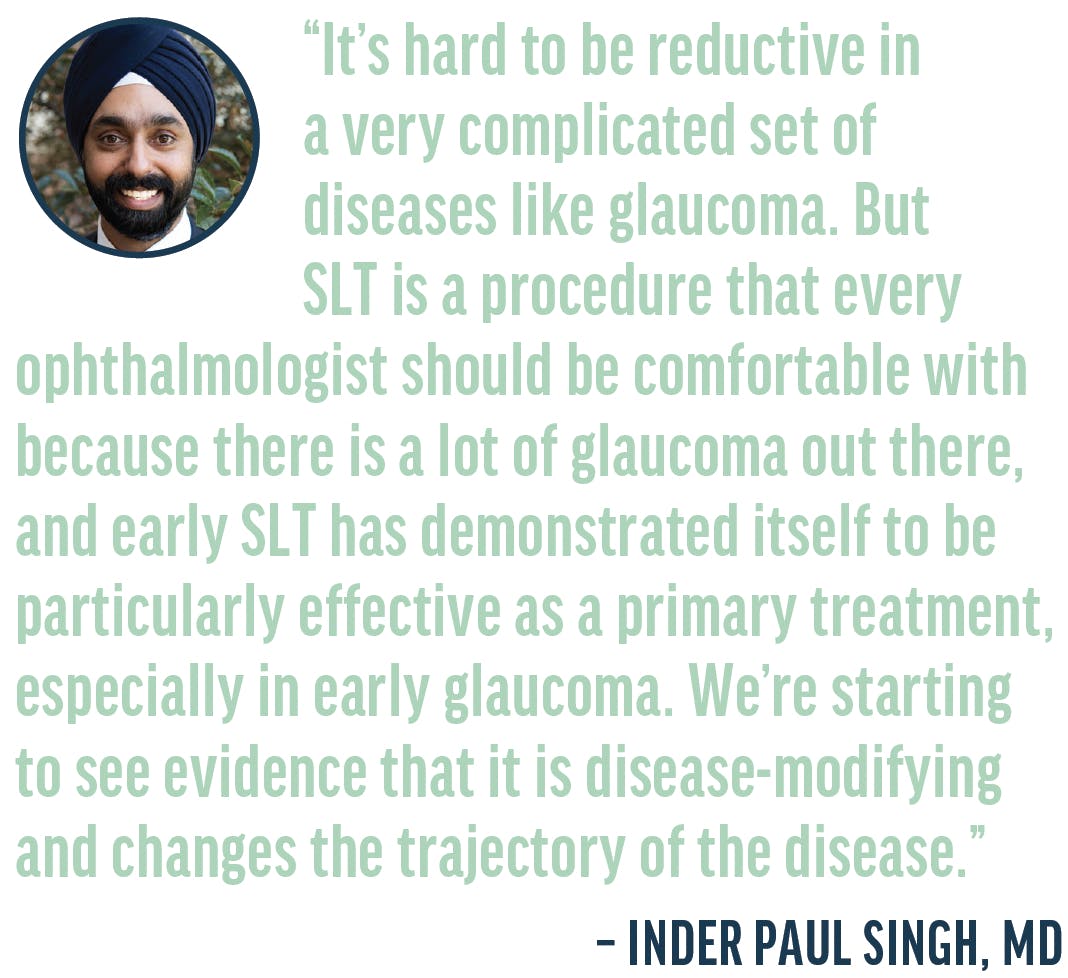
SLT. SLT is widely seen as an effective early intervention that reduces IOP while avoiding common medication pitfalls including dry eye, ocular allergy, and cost burden.19,25 While SLT/DSLT is underutilized relative to its benefit profile, its acceptance as first-line therapy is growing. Dr. Vendal recounts being in the audience during a talk at the 2025 American Glaucoma Society in which live polling was used. While 90% of the audience stated they would choose SLT/DSLT for their own eyes, only 53% currently recommend it as a first-line treatment for their patients. “There is definitely a gap between efficacy and adoption that needs to be filled,” she said. All members of the consensus group report preference of SLT/DSLT as a first-line treatment for most patients with early-stage glaucoma.
“It’s hard to be reductive in a very complicated set of diseases like glaucoma. But SLT is a procedure that every ophthalmologist should be comfortable with because there is a lot of glaucoma out there, and early SLT has demonstrated itself to be particularly effective as a primary treatment, especially in early glaucoma,”19 Dr. Shah said. “We’re starting to see evidence that it is disease-modifying and changes the trajectory of the disease.”
Results from the LiGHT trial showed that 74.2% of patients were medication- and surgery-free at 3 years while maintaining their target IOP.1 Three years later, 90% had undergone only one or two repeat SLT treatments and 69.8% remained medication- and surgery-free.2 Compared to control patients who received topical glaucoma therapy, there was less disease progression (19.6% vs 26.8%), less moderate or fast visual field progression (16.9% vs 26.2%), and a lower rate of trabeculectomy (13 vs 32 eyes) in patients who had SLT. These results indicate that not only does SLT effectively lower IOP, but it also plays a crucial role in slowing disease progression and delaying the need for a surgical procedure.
SR drug delivery. Pharmacologic treatment with a SR delivery device is another compelling strategy to address adherence. It offers durable, drop-free IOP control while simplifying treatment regimens for patients with chronic conditions and limited capacity for daily eye drop use.23 This may be especially important for patients with known adherence issues, comorbid conditions such as dry eye disease, and those seeking a lower treatment burden.
“Sustained-release therapy gives patients much-needed time away from topical drops,” Dr. Singh said. “Having 24-hour drug delivery in the eye changes the morphology and natural progression of the disease state itself. … Once you have a drug in the eye, it helps to keep the trabecular meshwork in the uveoscleral outflow pathway open.”
Dr. Singh also points to the duration of effect with SR treatments such as bimatoprost intracameral implant 10 mcg (Durysta, AbbVie) and travoprost intracameral implant 75 mcg (iDose TR, Glaukos). In the ARTEMIS 1 and 2 clinical studies, the bimatoprost implant demonstrated a mean IOP reduction between 5 and 8 mm Hg in patients with a mean baseline of 24.5 mm Hg through 15 weeks.26,27 Further, the multicenter, open-label, noncomparative, phase 3b MORPHEUS study showed that, in addition to lowering IOP consistently over a 24-hour period through 8 weeks, a single administration of the bimatoprost implant helped 77% of patients continue to have reduced IOP for up to 18 months without additional therapy.28
In two pivotal trials of the travoprost implant, 81% of patients were completely free of IOP-lowering topical medication at 12 months.29 Nearly one-quarter (23%) were on two or more medications before the trial. Patients also achieved the primary efficacy endpoint of noninferiority to topical timolol through 3 months. Another study showed ample concentration of travoprost free acid in the aqueous humor to elicit maximal IOP-lowering effect through month 24 and about 16% remaining dosing, indicating the potential for efficacious drug delivery beyond 2 years with the travoprost implant.30 Lastly, a randomized, double-masked, multicenter, phase 2 trial in patients with open-angle glaucoma or hypertension showed both clinically and statistically relevant IOP-lowering treatment effects through 36 months after a single administration of either a fast- or slow-eluting travoprost implant compared with BID timolol.31 The mean reduction in IOP ranged from 7.6 to 8.8 mm Hg and 7.3 to 8.0 mm Hg for the fast- and slow-eluting implant groups, respectively. Additionally, a greater percentage of patients in the implant groups were well controlled on the same or fewer topical IOP-lowering medications compared to patients in the timolol group, signifying the implant’s ability to substantially reduce the medication burden for up to 36 months.
All participants of the consensus group use SR therapies and report preference when patient adherence to glaucoma therapy drops is a concern (83%), when side effects from drops are problematic (83%), when patients are hesitant to start drops (83%), and if they feel prolonged drug release outweighs the need for more frequent monitoring (50%). The consensus group mentions SR therapy may also be considered when patients fail SLT. In the future, they believe there may be more widespread use of repeat administration.
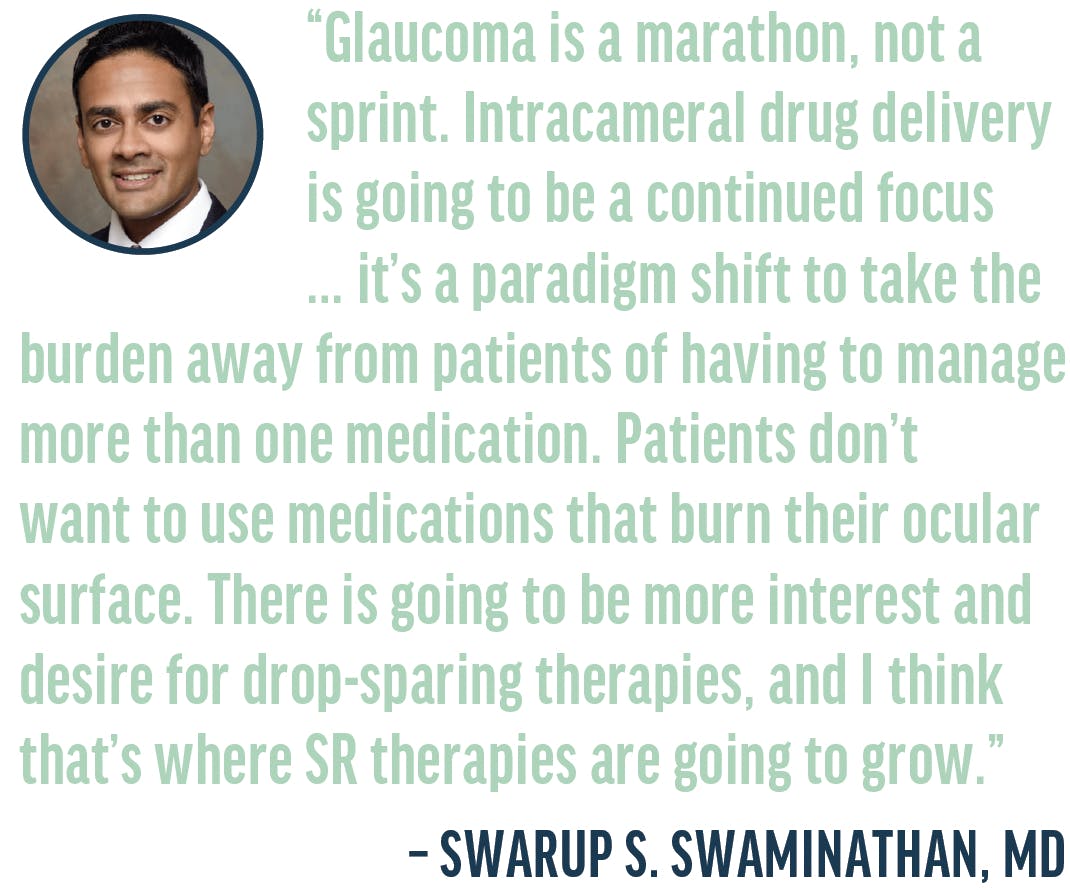
“Glaucoma is a marathon, not a sprint. Intracameral drug delivery is going to be a continued focus … it’s a paradigm shift to take the burden away from patients of having to manage more than one medication,” Dr. Swaminathan said. “Patients don’t want to use medications that burn their ocular surface. There is going to be more interest and desire for drop-sparing therapies, and I think that’s where SR therapies are going to grow.”
Although SR release drug delivery is not as ubiquitously available to all patients and providers, it “is a powerful one-two punch,” Dr. Shah said. “It is a very rapidly changing and growing space.”
According to the consensus group, primary considerations for when to use SR drug delivery (Figure 6) include patient preference and adherence concerns (100%), ability to reduce or eliminate daily medication burden (100%), real-world clinical outcomes data supporting efficacy (83%), and long-term cost effectiveness for patients (67%). While enthusiasm for these treatments is growing, several clinicians mention a desire for more data on long-term durability.
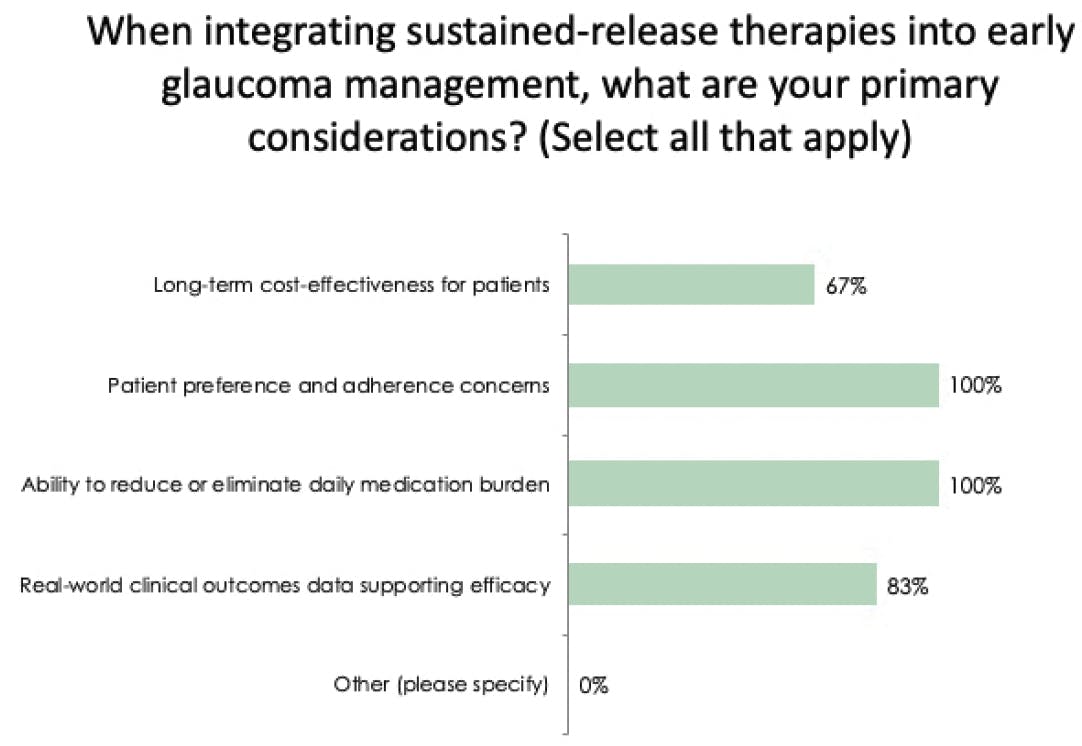
Figure 6. Patient preference and adherence concerns and ability to reduce or eliminate daily medication burden are the top two considerations by the Early-Stage Glaucoma Expert Consensus Group when integrating sustained-release therapy into early glaucoma management.
When used in a standalone fashion, SR therapies may be delivered in the clinic. Dr. Provencher explains patients appreciate not having to go to the OR, which helps reduce the fear of undergoing a procedure.
TREATMENT PLANNING AND SEQUENCING
There is a clear opportunity to simplify the first-line approach to managing early-stage glaucoma. All members of the consensus group agree that this is one of the most important strategies to improving patient adherence (Figure 7), along with early intervention with SLT and/or SR drug delivery (100%) and personalized education on the risks of progression (83%). Interestingly, the use of frequent follow-up visits is only considered a strategy to improve adherence by 17% of the consensus group. For patients who are well managed, two to three visits per year is adequate, Dr. Singh said.
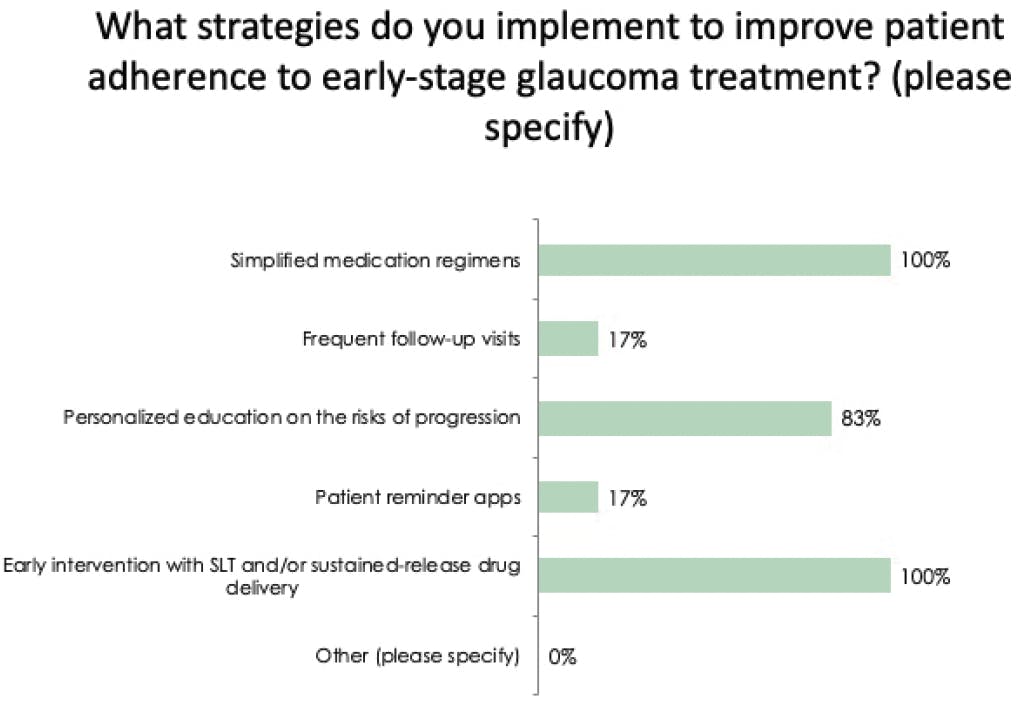
Figure 7. Simplifying medication regimens and early intervention with selective laser trabeculoplasty and/or sustained-release drug delivery are equally important strategies to improve patient adherence.
Treatment plan sequencing is still highly variable. Rather than selecting SLT or SR drug delivery as a first-line treatment for every case, the consensus group expressed a strong preference for personalized sequencing and combined use when needed. Some of the popular sequencing strategies include the following:
- SLT as a first-line treatment with SR therapy initiated for initial nonresponders or partial responders to SLT;
- SR therapy as a first-line treatment in nonadherent patients with SLT as a safety net or next step; and
- Dual therapy (ie, SLT and SR drug delivery) for aggressive IOP targets to avoid drops and delay surgery.
Current guidelines lack specificity on these combinations, which the consensus group cite as a missing element in current recommendations, calling for clearer algorithms for combination use and strategies tailored to lifestyle, ocular surface, work demands, and comorbidities. The consensus group suggests deciding on escalating treatment based on the following factors: progressive structural changes on OCT, progression of visual field loss, lack of adherence to their current treatment (ie, drop) regimen, and poor IOP control (Figure 8).
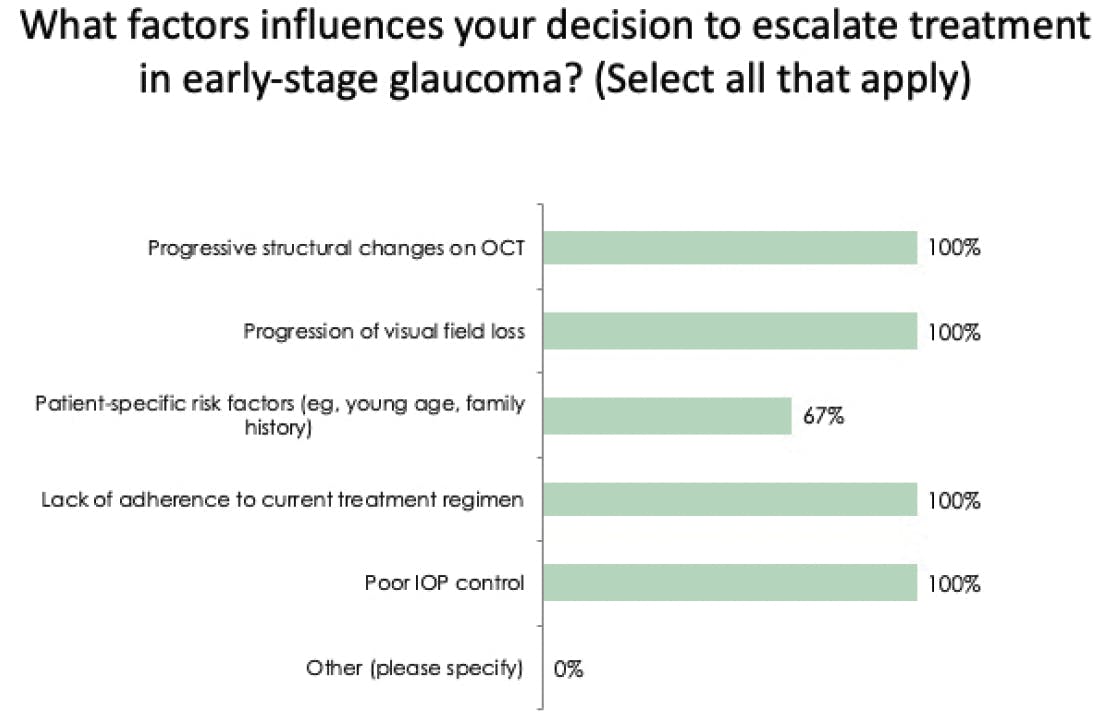
Figure 8. According to the Early-Stage Glaucoma Expert Consensus Group, the decision to escalate treatment in early-stage glaucoma is multifactorial and requires an individualized approach.
Cost and access present barriers to wider adoption of SLT and SR drug delivery as first-line treatment options. These insights suggest that broader integration requires not only clinician education but also systemic support through reimbursement clarity and updated clinical guidelines.
MANAGING EXPECTATIONS IN THE REAL WORLD
Patients today are increasingly aware of their disease and treatment options. Many seek not only drop reduction but also improvements in visual quality, convenience, and quality of life.32-37 This can lead to unrealistic expectations about what glaucoma therapies can offer.
Since glaucoma therapies are designed to slow progression rather than reverse damage, clinicians must be equipped to manage expectations compassionately and clearly, including having an honest discussion about the chronic nature of glaucoma, framing SLT and SR drug delivery as drop-reducing options, and reinforcing the value of prevention and long-term pressure control.
| TALKING TO PATIENTS ABOUT THEIR OPTIONS |
| Lorraine M. Provencher, MD
One of my favorite parts of glaucoma care is working with patients to improve their quality of life. I tell them one of my goals is to keep them off drops for as long as possible. So often with glaucoma care, we’re just trying to slow or stop progression. We can’t reverse the damage. But when a patient comes in with a quality-of-life issue and I get to make it better, that’s rewarding. I tell patients it’s important to me to incorporate how a certain treatment or surgical procedure will affect their life outside the office, and we make that decision together so it’s something they buy into. For me, helping patients decide to proceed with early intervention is crucial. Not only do you decrease the burden for the patient, but you increase the control of the disease as the doctor. |
| Emily M. Schehlein, MD
We know that up to 60% of patients don’t take their eye drops, so SLT and drug delivery are critical in preventing progression. I feel very strongly that all appropriate patients undergo SLT as a first-line treatment. It is difficult for some patients to accept an intervention for a disease from which they may not currently have symptoms, so I describe the procedure to them in a way that helps them feel comfortable pursuing it as their first treatment. I discuss that, with SLT, we use a gentle light pulse or laser therapy to make the natural eye drain work better. I also share data from the LiGHT trial, pointing to the fact that 74% are still medication- and surgery-free at 3 years. I also explain the LiGHT trial showed SLT slows disease progression compared to medical therapy and delays the need for a glaucoma surgical procedure. It’s important for patients to understand glaucoma is a chronic disease. It is not something we can fix in a few visits but rather is part of their life moving forward and there are several options for treatment. I explain we will work together to determine what is best for them and share that, for many patients, SLT is their best first choice and, if it doesn’t maintain their target IOP or they have progression on their visual field or OCT, the procedure can be repeated or a different procedure such as sustained-release (SR) drug delivery or a standalone MIGS procedure may be considered. |
| Manjool Shah, MD
Adherence is a true silent killer. The first step is acknowledging the medication burden and empathizing with patients that proper use of a topical drop medication is hard, uncomfortable, and it doesn’t make you feel better or see better. When you approach the topic in a nonjudgemental fashion, it becomes easier to collaborate with the patient. When you recognize the challenges with topical therapy, you can then have an active conversation with patients about interventional procedures, starting with laser modalities and SR drug delivery and also looking at surgical interventions that are relatively minimally invasive. |
| Inder Paul Singh, MD
The first patient visit is an investment—it’s your annuity. The more you educate patients, explain glaucoma is a disease that continues to get worse, and manage their expectations, the more likely they are to remain compliant. I tell patients my goals are to treat them as early as possible because of the progressive nature of the disease and to maintain the highest quality of life throughout their journey. Even if they don’t have symptoms now, it will get worse over time if we don’t monitor and treat their condition. I explain they will probably need multiple treatments over their lifetime since everyone’s anatomy is different, and coming in for follow-up visits is important to stay on top of their disease. Early intervention is key. The earlier we treat, the higher the target IOP usually is and the better chance we have of achieving our target ranges to slow the disease down. I also think our conviction when we offer a treatment is important for patient adoption. We first have to believe in what we are recommending and, in some cases, avoid giving too many choices. For instance, when I see a good candidate for first-line SLT, I mention drops only as a backup if SLT doesn’t get us to the IOP range we are targeting. I also tell patients, SLT is a beam of light that stimulates the eye to release natural enzymes to rejuvenate the drainage system in the eye. This is less intimidating than the word laser. If a patient asks me if SLT uses a laser, I tell them it does, saying “it’s like a laser pointer, it doesn’t destroy the tissue, and that is why we can repeat SLT.” |
| Swarup S. Swaminathan, MD
Patients must understand glaucoma doesn’t go away. It’s a permanent process, and they need to have check-ups at regular intervals to make sure their disease is stable and remains asymptomatic. I caution patients against stopping their drops because they don’t notice any changes or feel fine. When a patient is uncertain about their medication regimen or they have a track record of nonadherence, I provide them with a table that lists their medications and times for instillation. Most patients appreciate being able to see graphically when they need to take their medications. When appropriate, I walk through other alternatives that remove the medication burden. I share with them that SLT is a great first step. It’s a relatively relaxed therapy that doesn’t take too much time and doesn’t prevent them from going about their daily routine. The biggest benefit to them is they don’t have to remember to put medications in their eyes. |
| Zarmeena Vendal, MD
In my opinion, the best way to educate patients and help them become more adherent to therapy is first and foremost to make a strong recommendation as their glaucoma expert. I’ve learned that patients value us as the expert and look to us to be their partner on this journey. I always lead with what I feel is the best option for them rather than giving them two or three options and placing the stress of decision-making in their hands. I explain to them, “If this were my eye, here’s what I would do.” Second, I look to select the most simplified regimen that I can create for them that fits with their lifestyle and comorbidities to set them up for success. If I feel a patient is going to have issues with topical therapy, I immediately suggest SR drug delivery. Along with laser, it is the answer to fighting patient adherence. Further, I think it’s important to consider the patient’s lifestyle and quality of life, educating them on how an interventional treatment in early-stage disease can improve their daily living. A lot of patients with glaucoma also have either environmental-related or computer-induced ocular surface disease. Helping these patients understand how SR therapies can reduce the number of drops they are on is key. |
| References
1. Reardon G, Kotak S, Schwartz GF. Objective assessment of compliance and persistence among patients treated for glaucoma and ocular hypertension: a systematic review. Patient Prefer Adherence. 2011;5:441-463. 2. Gazzard G, Konstantakopoulou E, Garway-Heath D, et al; LiGHT Trial Study Group. Selective laser trabeculoplasty versus eye drops for first-line treatment of ocular hypertension and glaucoma (LiGHT): a multicentre randomised controlled trial. Lancet. 2019;393(10180):1505-1516. 3. Gazzard G, Konstantakopoulou E, Garway-Heath D, et al; LiGHT Trial Study Group. Laser in Glaucoma and Ocular Hypertension (LiGHT) trial: six-year results of primary selective laser trabeculoplasty versus eye drops for the treatment of glaucoma and ocular hypertension. Ophthalmology. 2023;130(2):139-151. |
“We have to deal with glaucoma-related issues for the rest of a patient’s life, and we need an extended toolbox,” Dr. Vendal said. “In the world of early-stage glaucoma, we must be efficacious and translate that into making a valuable recommendation to our patients. … There’s efficacy and then there’s adoption, and there’s a gap between the two that we must close to be more interventional for our patients.”
THE PATH FORWARD
Key practice gaps identified by this consensus include insufficient monitoring protocols for both at-risk and aging populations, overreliance on preset OCT scans without advanced analysis, continued dependence on topical glaucoma therapy despite adherence concerns, underutilization of proven first-line treatments like SLT and SR therapies, and limited patient education on the chronic nature of the disease and available options. To bridge these gaps, the consensus group recommends the following tactics (Figure 9):
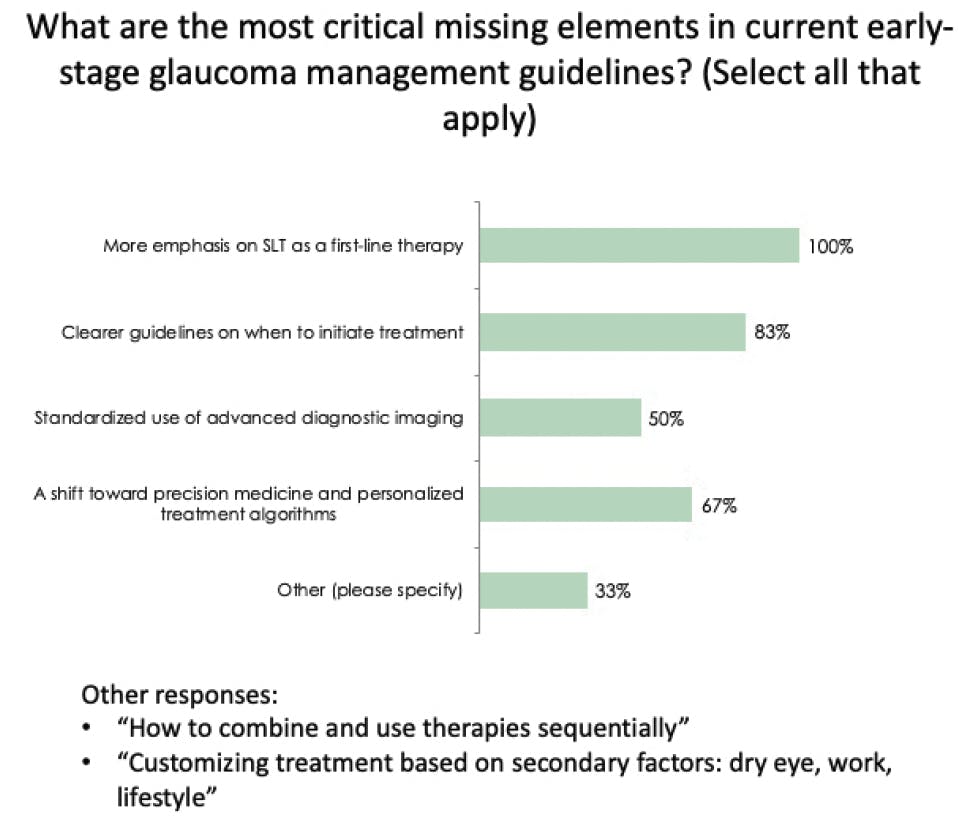
Figure 9. The top three most critical missing elements in current early-stage glaucoma management guidelines as identified by the Early-Stage Glaucoma Expert Consensus Group are more emphasis on SLT as a first-line therapy (100%), clearer guidelines on when to initiate treatment (83%), and a shift toward precision medicine and personalized treatment algorithms (67%).
No. 1. Develop structured diagnostic protocols for at-risk populations and standardize the use of advanced diagnostic imaging.
No. 2. A shift toward precision medicine and personalized treatment algorithms that are based on disease state and secondary factors such as the presence of dry eye, work, and lifestyle.
No. 3. Promote non-pharmacologic first-line options such as SLT and SR drug delivery in both practice and guidelines.
No. 4. Build and incorporate patient education strategies that align expectations with clinical goals.
No. 5. Encourage guideline updates to establish when to initiate treatment as well as reflect real-world combinations of SLT, SR drug delivery, and medical therapy.
“When to initiate treatment is a complex answer,” Dr. Swaminathan said. “And it’s the reason why there is no straightforward approach or guidelines. … It’s not just about a binary understanding of disease progression but rather what is the rate at which it’s getting worse.”
Taking the whole patient into account is an important component. “Let’s say a patient is progressing at a rate of -0.05 decibels per year on a visual field. Is the patient 98 years old or 60 years old with a strong family history and forgets their medications on occasion? I may not deal with them in the exact same way,” Dr. Swaminathan said.
CONCLUSION
Early-stage glaucoma treatment presents a unique opportunity to preserve vision and improve quality of life. Rather than deciding between SLT and SR therapies, this consensus affirms their complementary value when used strategically and thoughtfully.
A patient-centered approach anchored in diagnostic precision, treatment flexibility, and education can help clinicians meet the challenges of modern glaucoma care. The future lies not in choosing between SLT or SR drug delivery, but in learning how to integrate both effectively into a personalized, evidence-based treatment strategy.

Grant Support Statement
This activity is supported by unrestricted educational grants from AbbVie, Alcon, and Glaukos. Content supplied by The Fundingsland Group.